Egg London · 2025
Panel Speakers
Hand-built four-channel spatial audio system
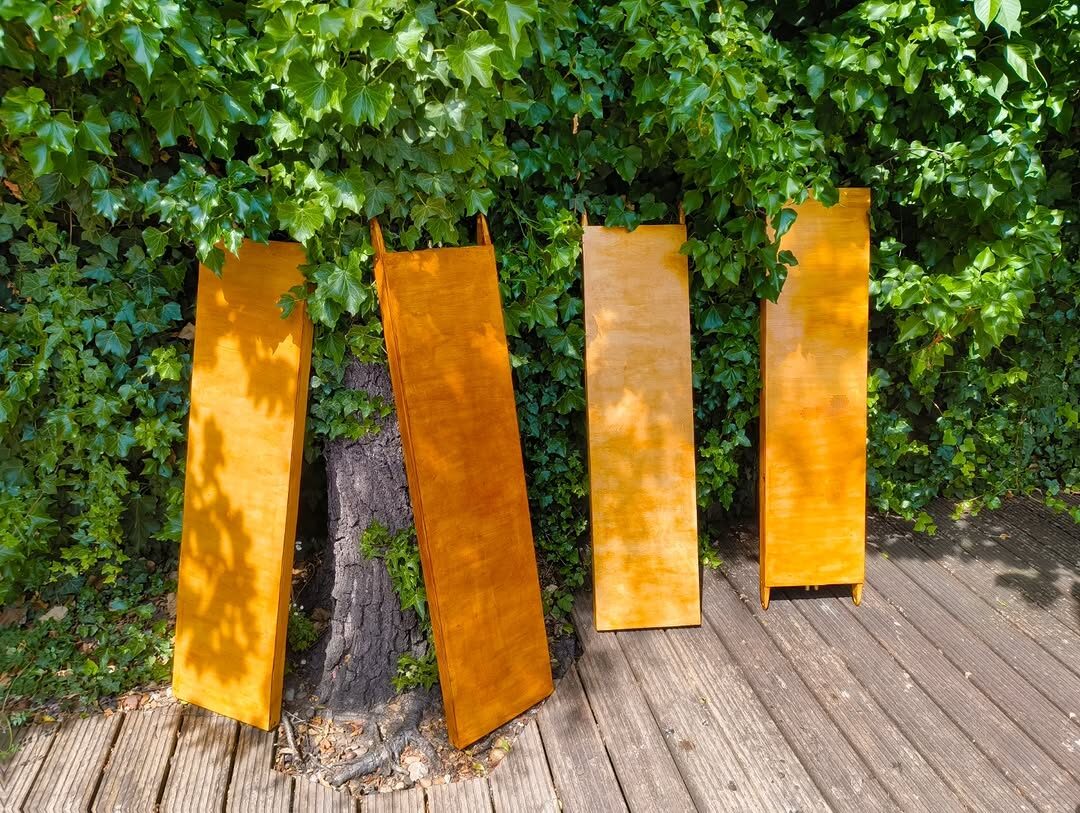
These flat panels are speakers — Distributed-Mode Loudspeakers (DML), where an exciter vibrates the whole panel to radiate sound. I want to see them everywhere: cafés, bars, living rooms, hanging from trees, public spaces.
I built a four-channel spatial audio system from scratch in two weeks for the Architectural Association’s club night in London — hand-cut birch panels, hand-soldered DML exciters, and custom stem-splitting software, all self-taught.
I used AI to split a playlist into individual instrument stems, then routed each to its own panel with custom processing — so 600 people could walk through the band.
I had no studio access (I wasn’t a student there), so I recruited collaborators inside the school to use their workshop. I was paid for the commission, and the speakers now live in the Royal College of Art’s sound lab for ongoing research.
The night
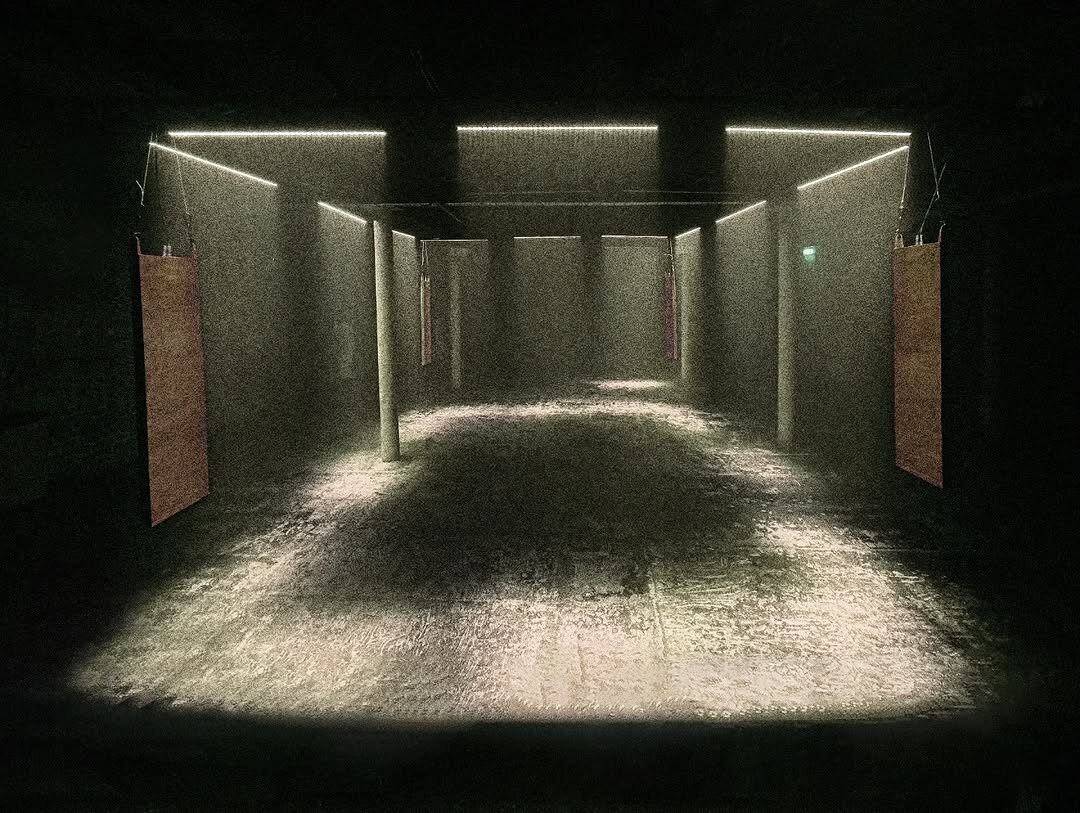
The system played the Architectural Association’s club night at Egg, London — an ambient lounge of soft jazz-funk, downtempo, Brazilian, dub, Latin and avant-garde. Each of the four panels was voiced for a single instrument, so the band spread out across the room and you could walk between the players.
Mixing the room
I built a custom MainStage patch and split each track into instrument stems. Every stem was routed to its own panel over a dedicated HDMI channel, all running through the Denon receiver — so I could control the whole mix, per instrument, with precision.
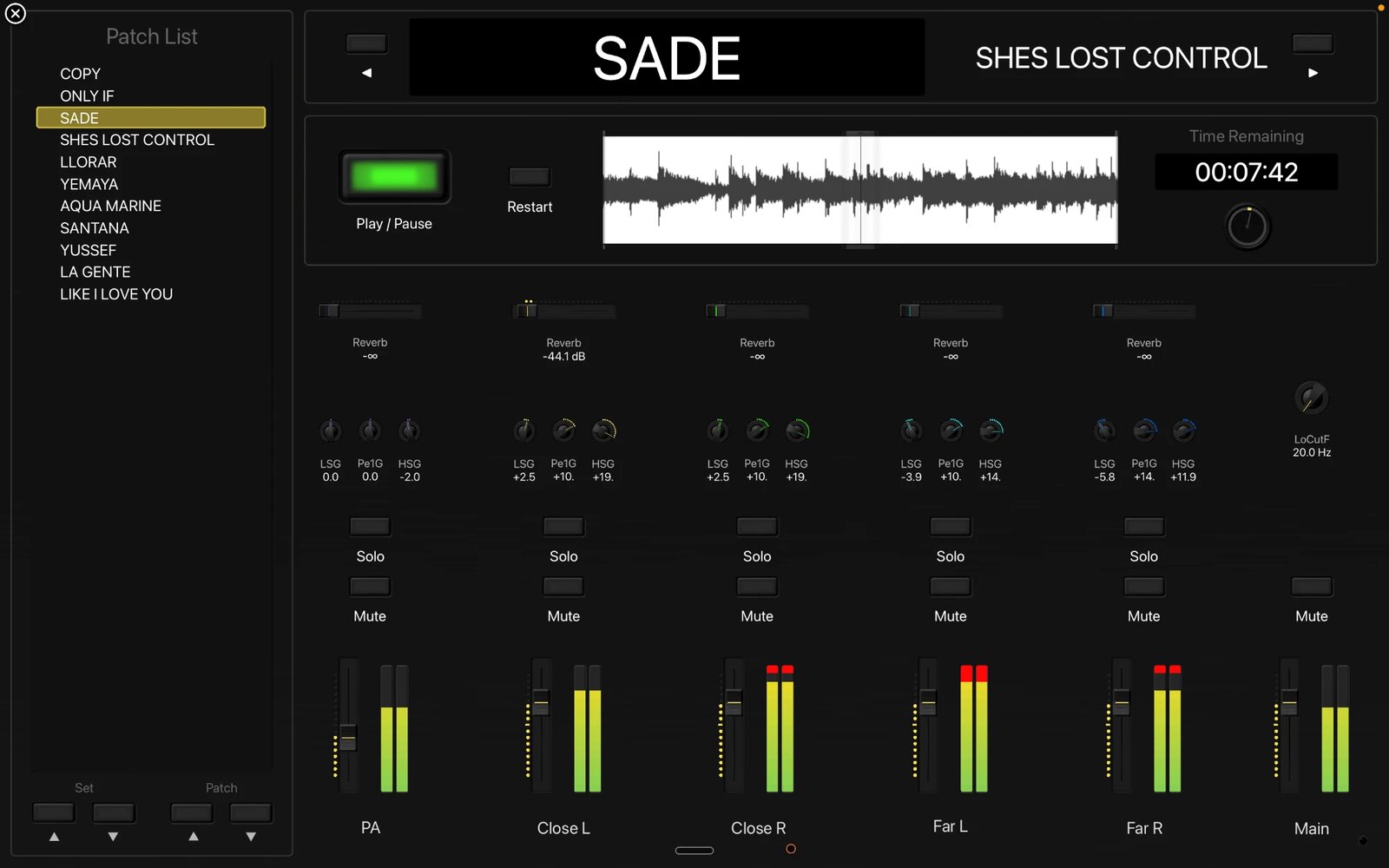
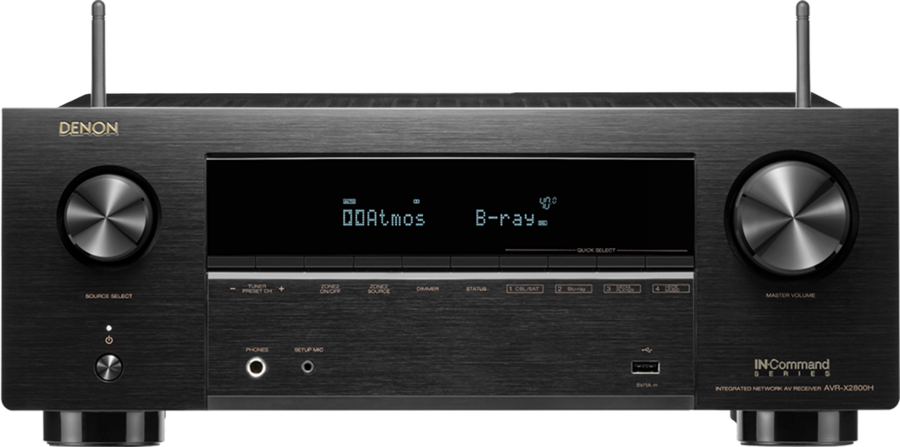
Custom MainStage patch, routed through the AV receiver — each instrument stem to its own panel.
Why DML panels
- Wide 2-way dispersion — true spatial immersion
- Flat panels — minimal footprint, maximal impact
- Instrument-specific playback — walk “through the band”
The brief
Egg London runs high-energy DJs on floors 1–2. As guests arrive, they need a welcoming, hi-fi lounge on entry — so the creative direction was to dissect the space as a fluid sound canvas.
The build
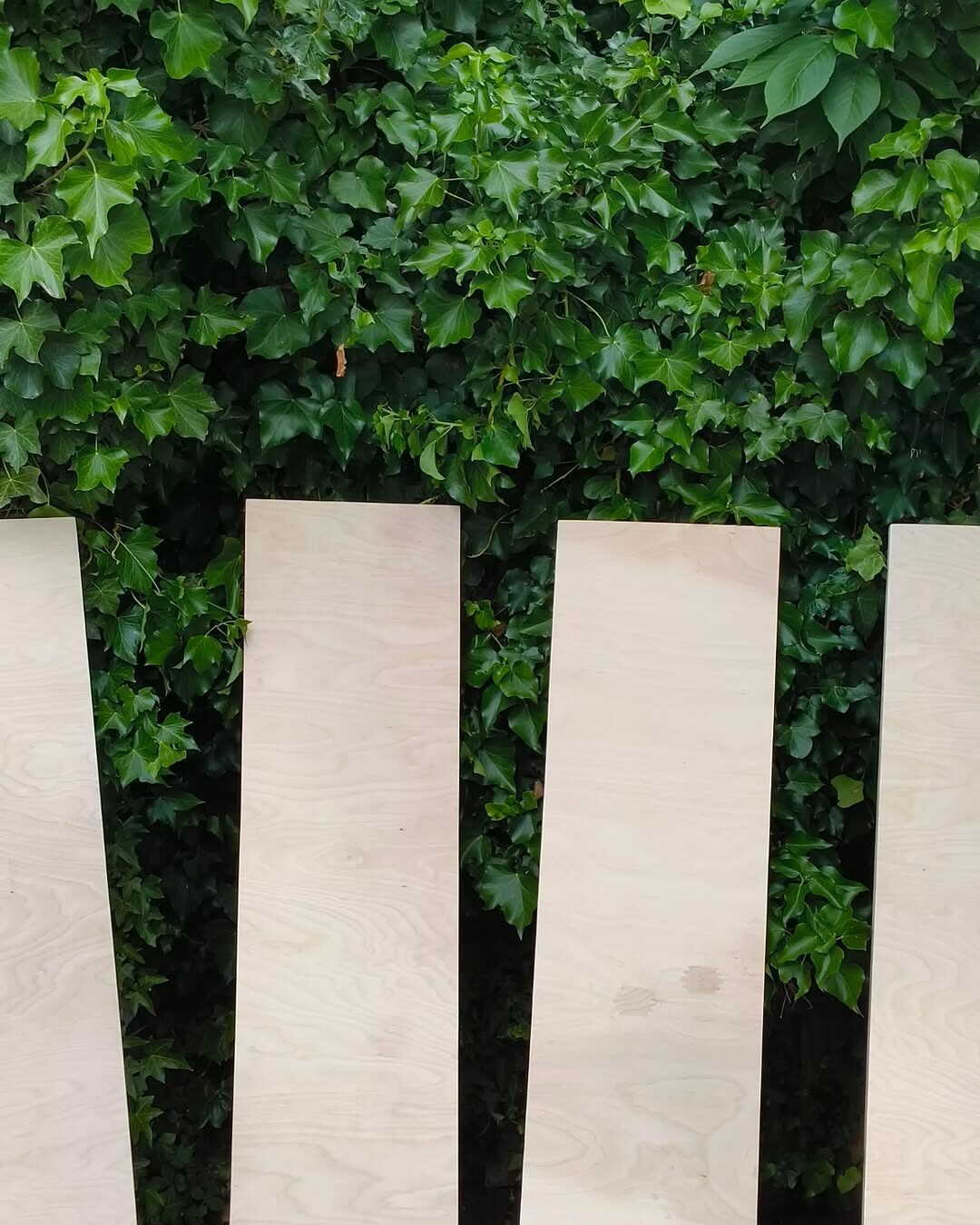
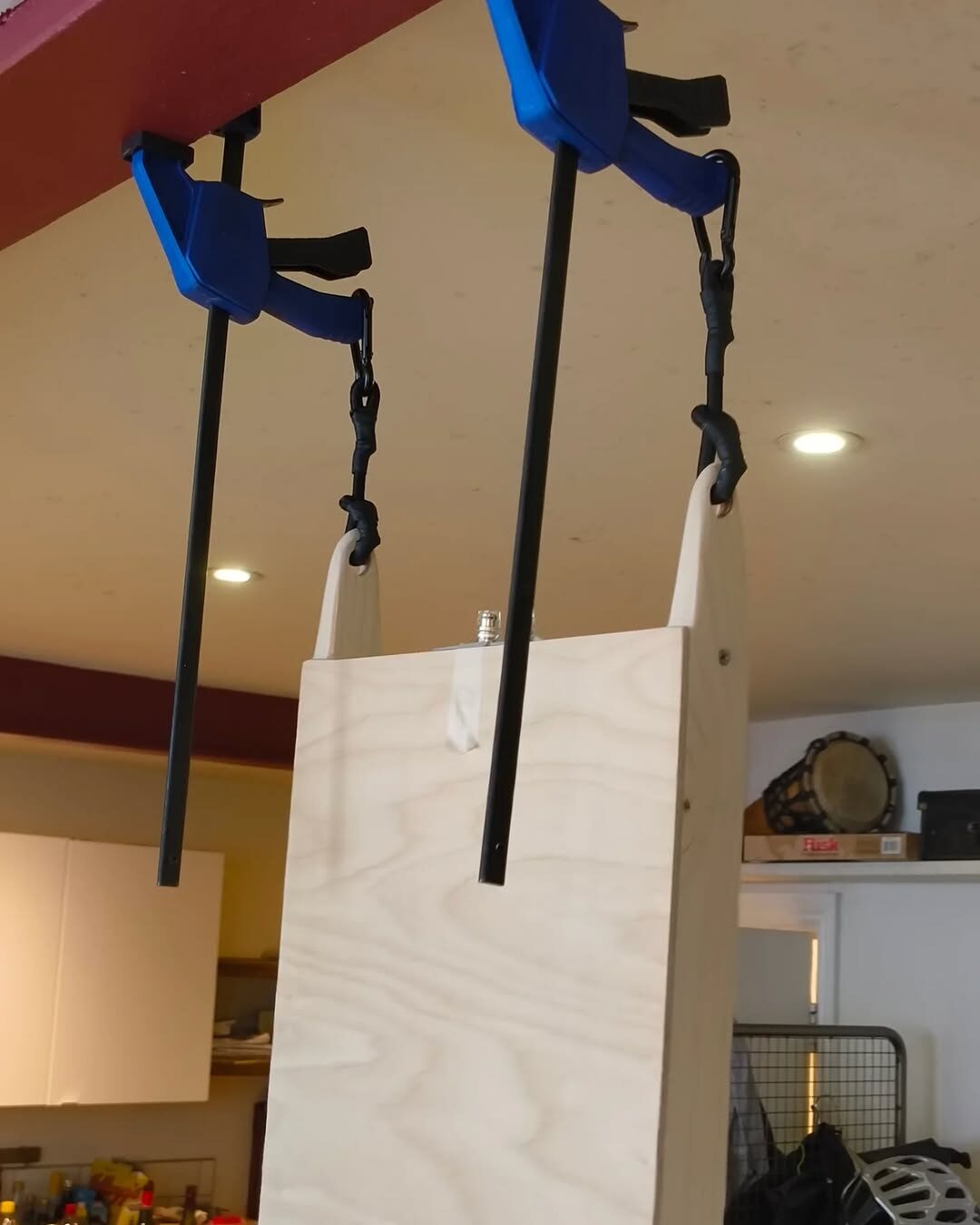
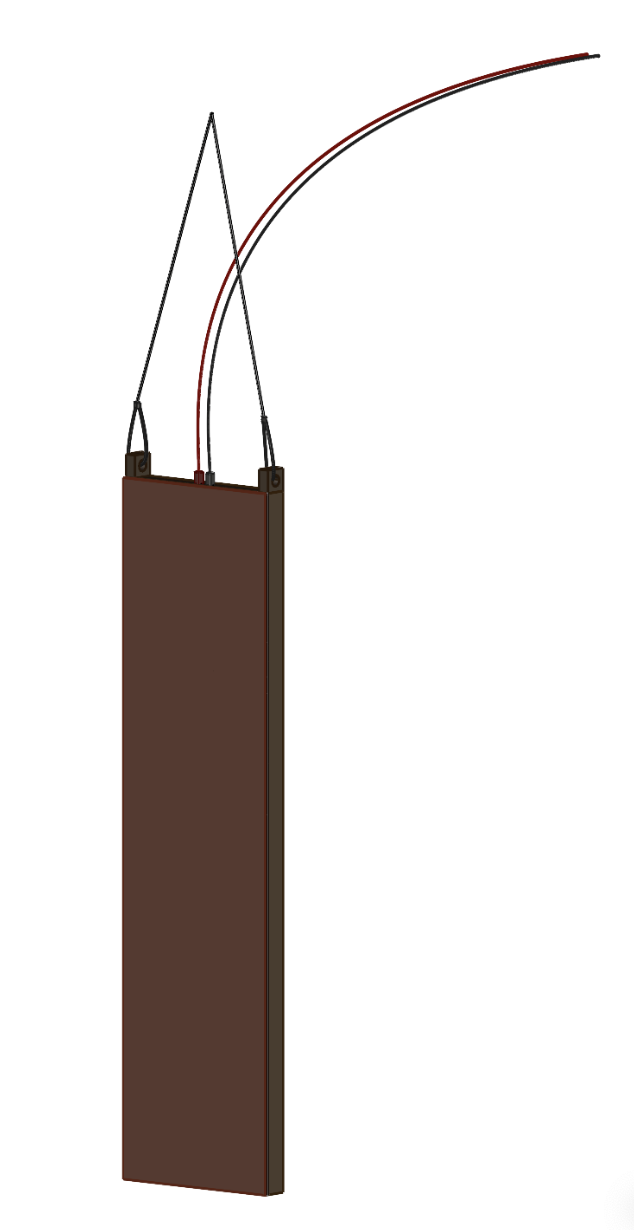
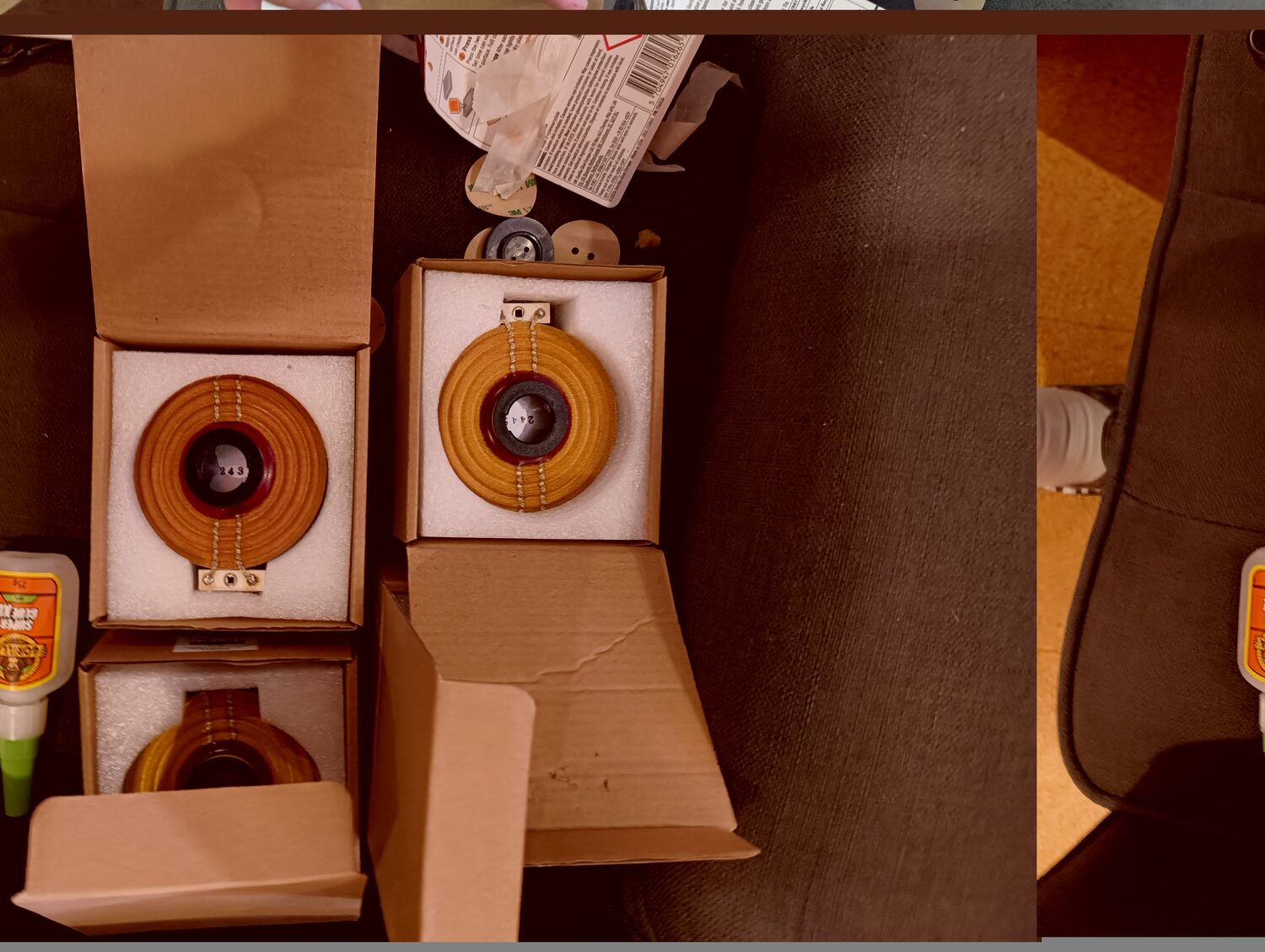
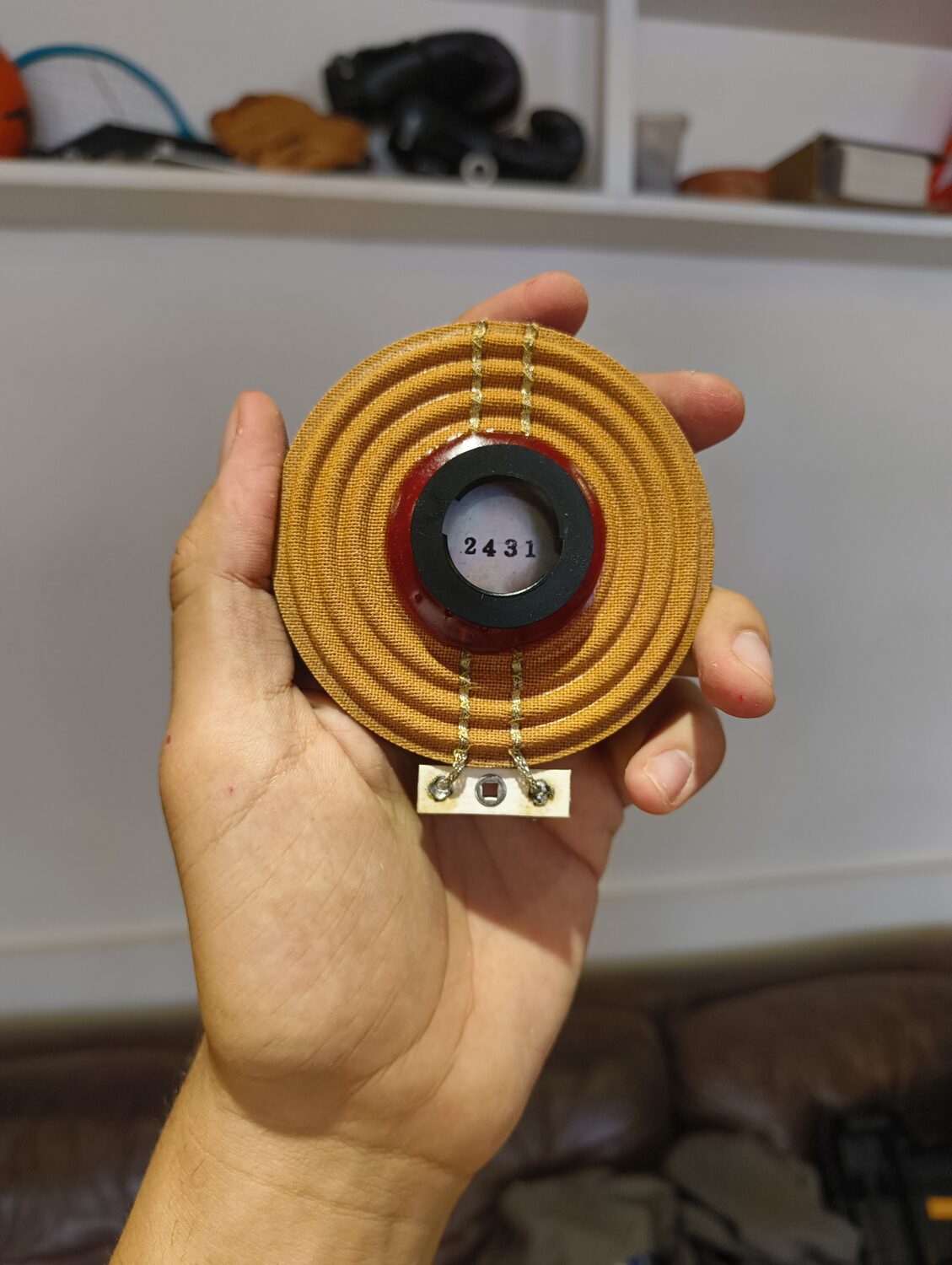
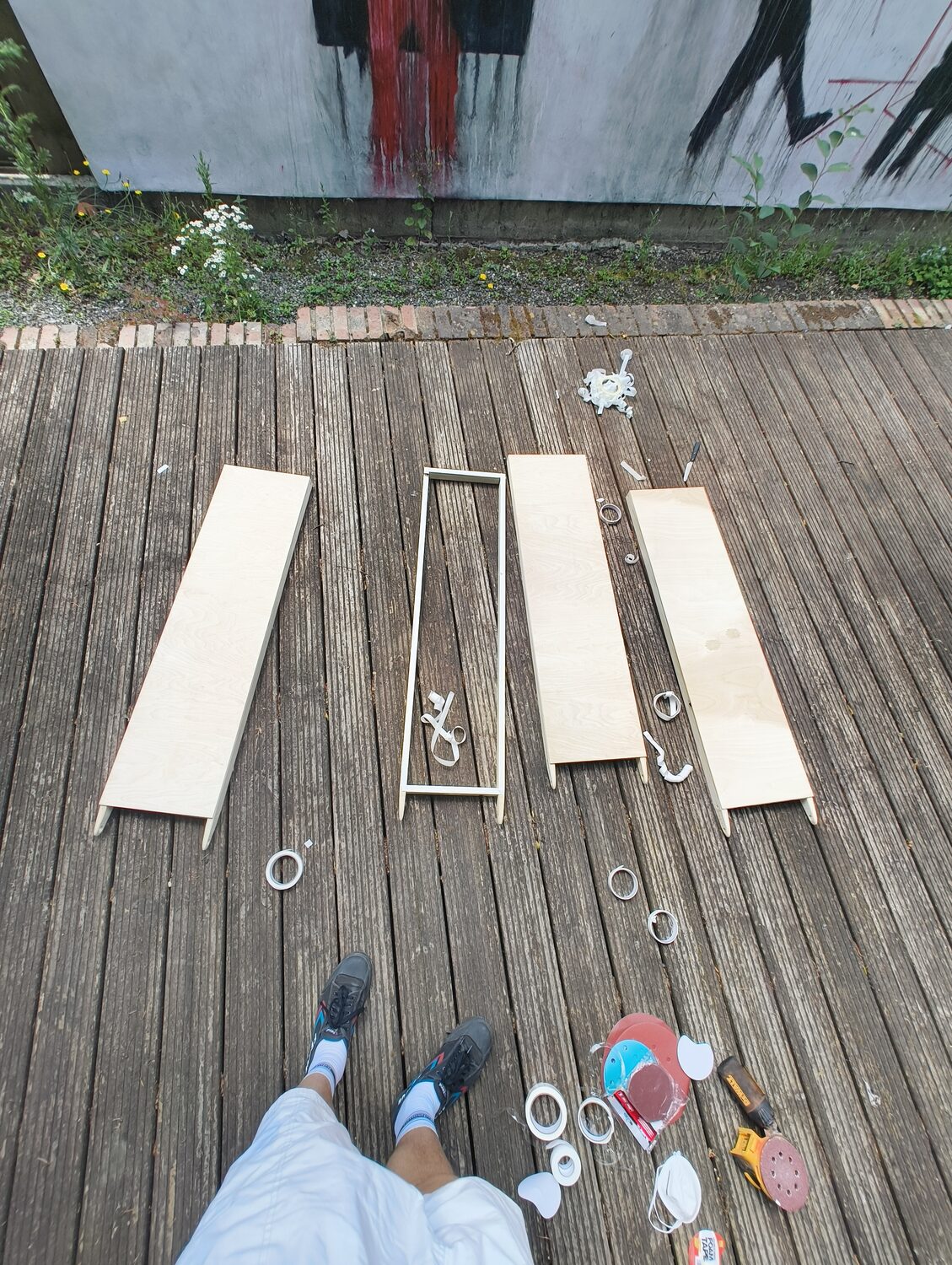
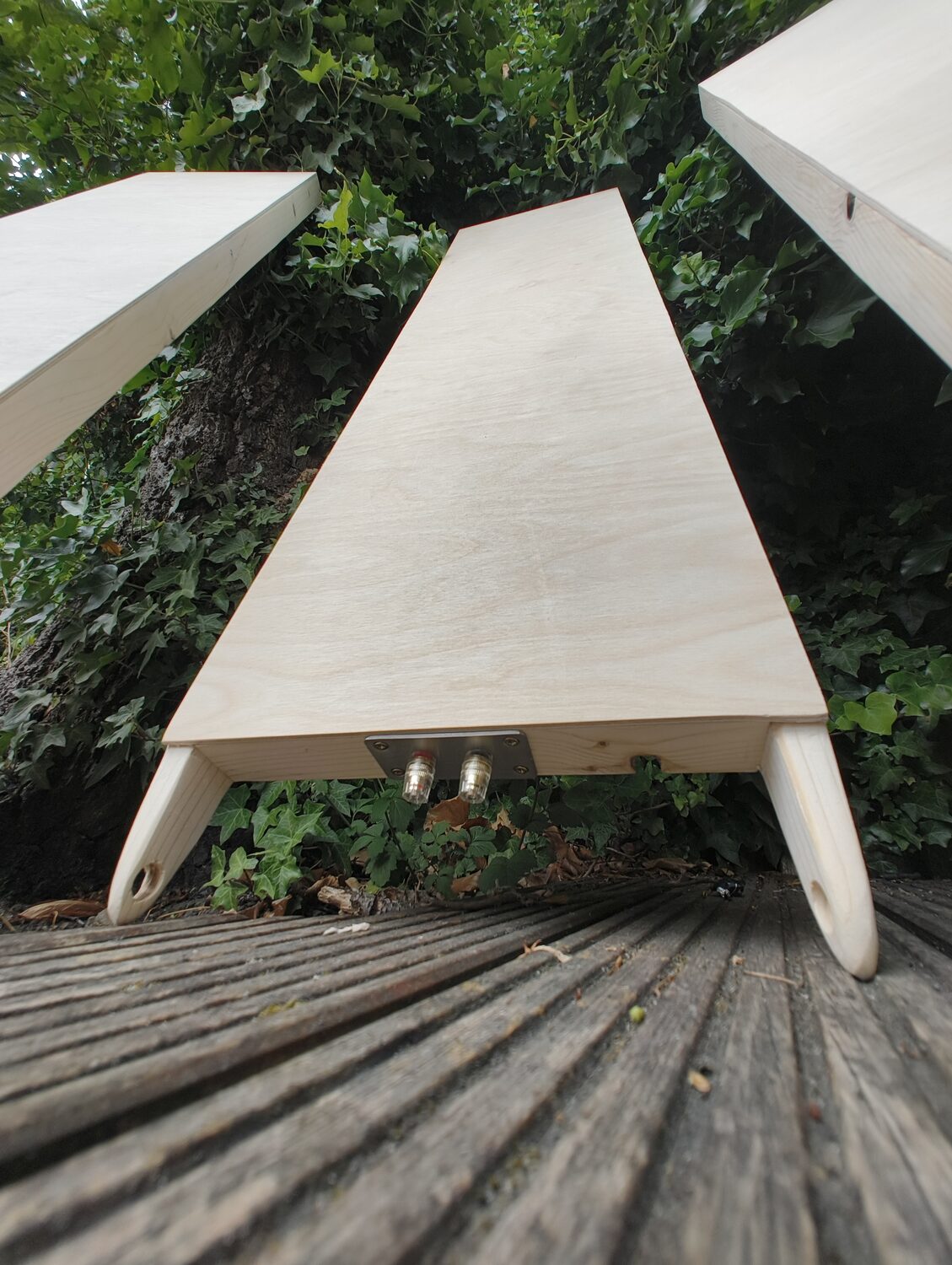
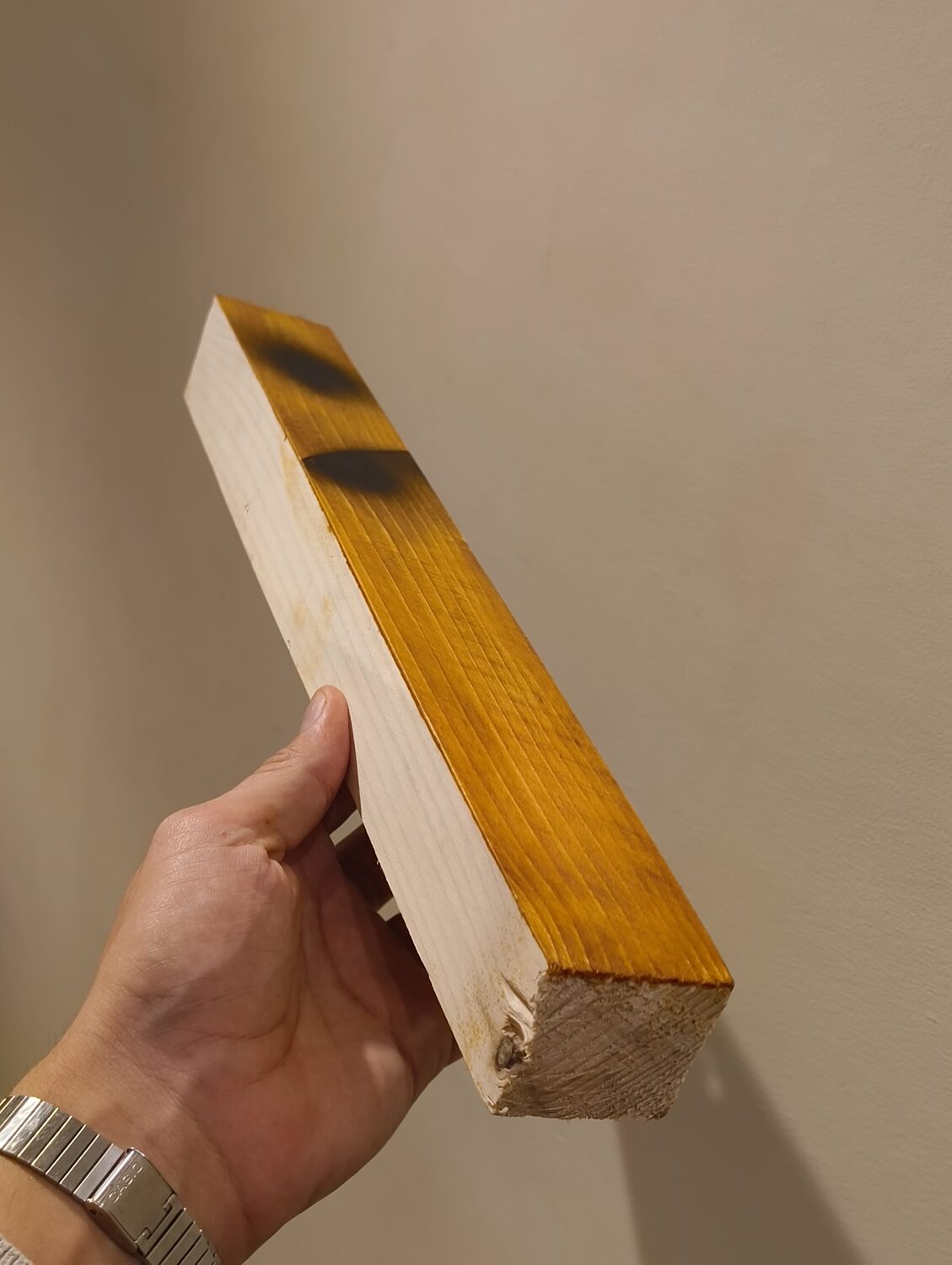
I built the four panels from scratch — birch plywood bonded onto beech frames, two Dayton Audio exciters mounted on each, wired up and hand French-polished (about four hours of polishing for all four). One thing I learned along the way: a layer of foam dramatically improves the low end by increasing the panel’s acoustic coupling.

Drivers
Dayton Audio EX32VBDS-4 exciters — two per panel (40 W, 4 Ω)
Panels
4 mm birch plywood, hand-cut
Frames
Beech timber from Hooke Park
Finish
Hand French-polished
Amplification
Denon AVR-X2300W AV receiver
Audio
Stem-separated tracks · custom MainStage patch
At home
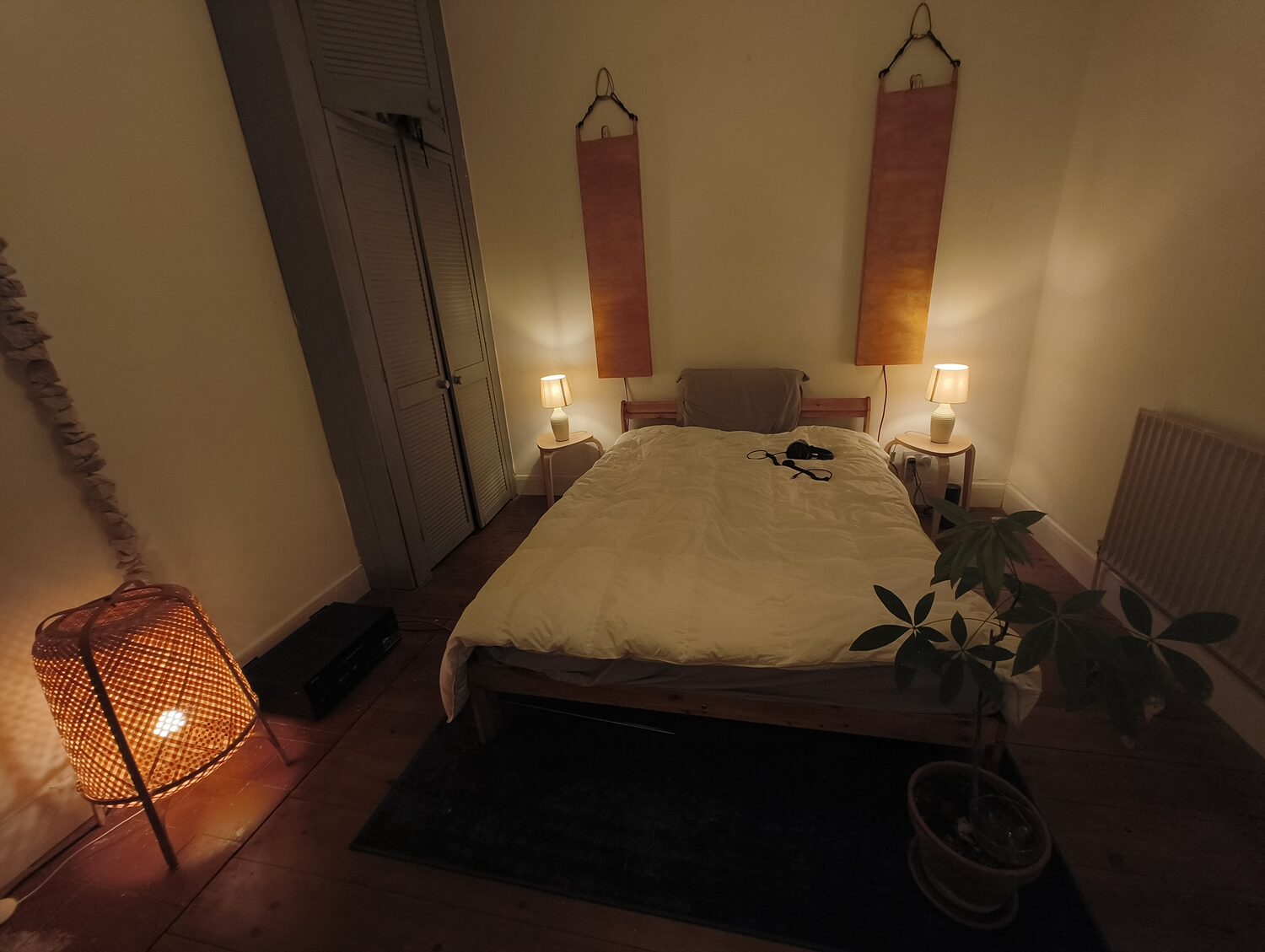
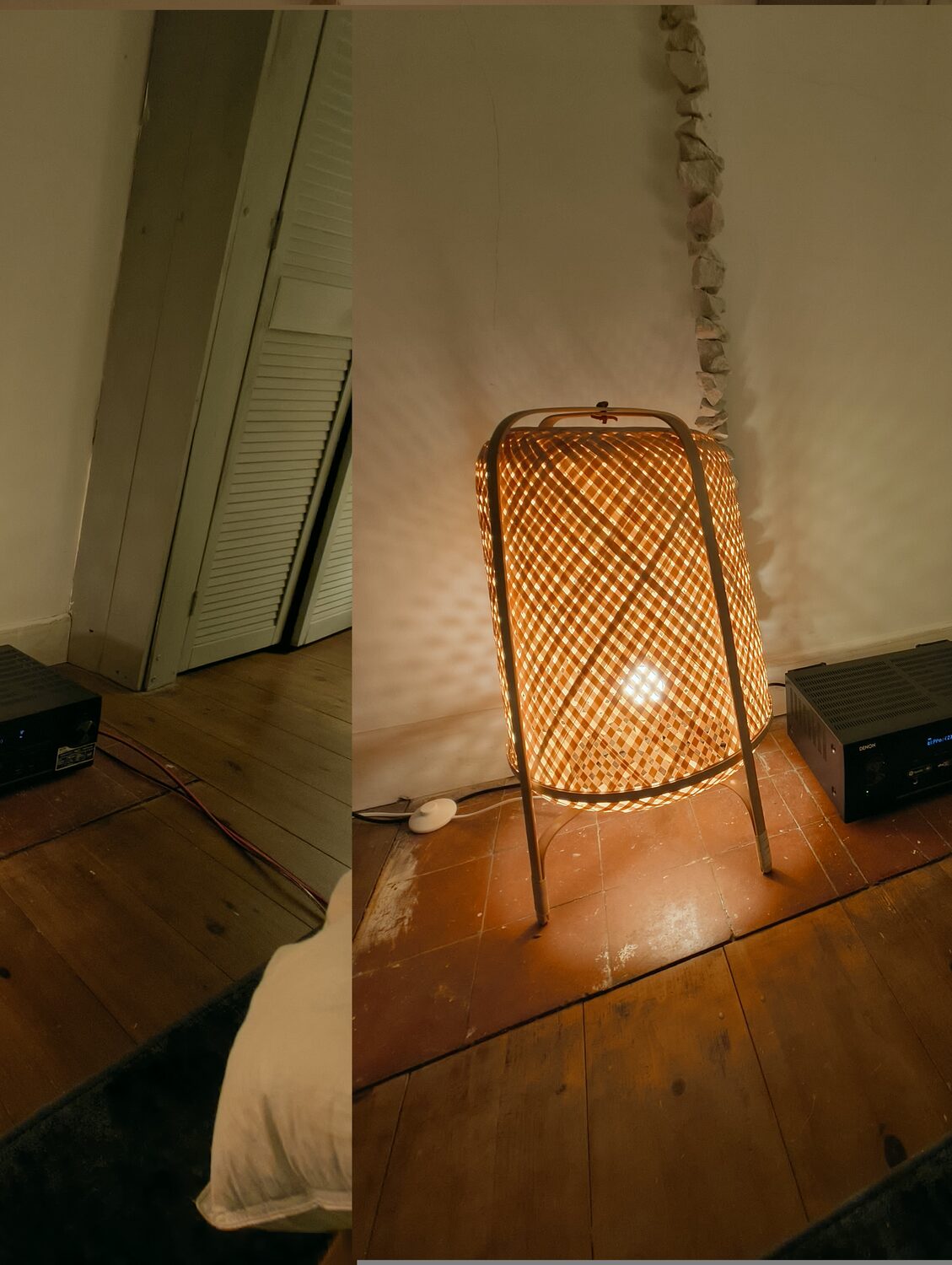
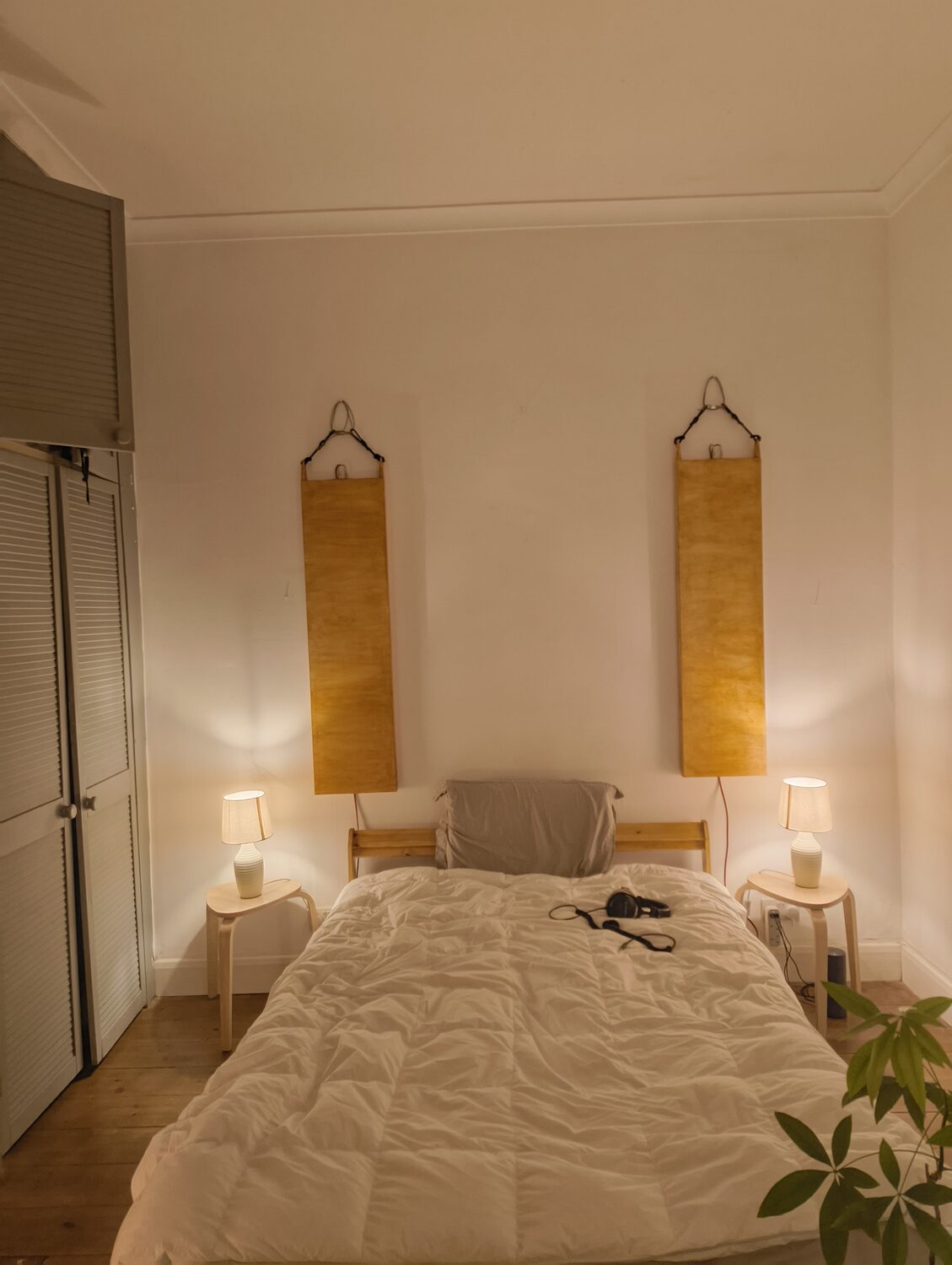
After the event, I set the panels up in a bedroom to see how they’d behave in a domestic space — hung off the wall, run through the Denon receiver, with the amp on the floor beside a lamp. They disappear into the room and just fill it with sound.